







Search Results for: Soil Management
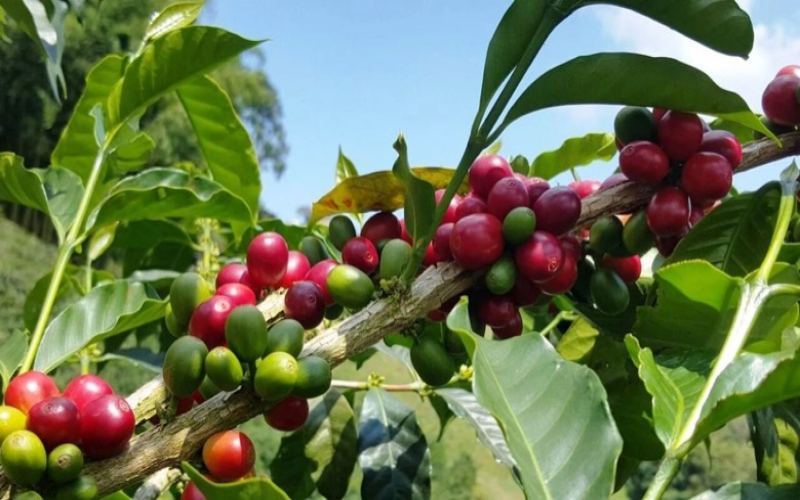
Dark Moon Estate: Hunter Tedman and the Expression of Traditional Varieties
In June 2025, the 29th Best of Panama (BOP) awards were held in Boquete. In the Traditional Varieties category, Hacienda La Esmeralda took first place with a Laurina lot from its El Velo division, followed closely by a new face—Dark Moon Estate (Bl [more…]
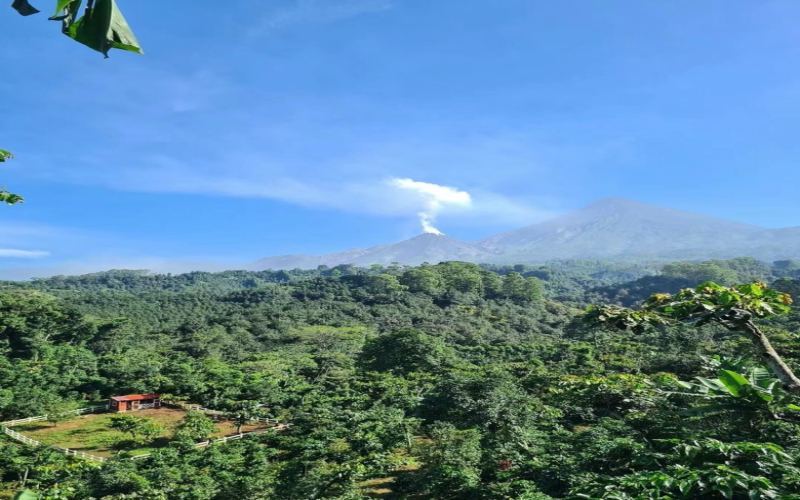
Does Higher Altitude Mean Better Coffee? The Real Relationship Between Altitude and Flavor
In coffee shops, you often hear the words "high altitude," as if the higher the altitude, the more premium the coffee. But the truth is not that simple: altitude is indeed a heavyweight factor affecting flavor, yet it is far from a straight-line relationship of "the higher, the better." What does altitude bring? A common feature of high-altitude growing regions is a large temperature difference between day and night, with relatively low temperatures. Coffee [more…]
Tracing the Origins of Jamaica's Premium Blue Mountain Coffee Brand: JABLUM Characteristics and Blue Mountain Coffee Bean Price Reference per Jin
JABLUM, the premium Blue Mountain coffee, is a long-established authentic Blue Mountain brand from Jamaica, produced by Mavis Bank Coffee Company, accounting for forty percent of the nation's Blue Mountain coffee output annually. The unique climate and volcanic soil of the Blue Mountain range nurture this world-class coffee, but only coffee grown above 1,800 meters in elevation can bear the name "Blue Mountain." Blue Mountain coffee once went through a quality trough, later restored its reputation under Japanese investment, and now ninety percent is sold to Japan, with the remaining international market demand running strong. JABLUM's cultivation and processing are strictly supervised by the Coffee Industry Board throughout, its caffeine content is only half that of ordinary coffee, and its flavor is mellow and balanced. This article details its historical origins, growing conditions, quality management, and Front Street Coffee's recommendations, along with price references. [more…]
The problem of water pollution is serious! Many areas in Costa Rica are short of water.
It is known that Costa Rica is a country with very rich water resources and geothermal resources, and Costa Rica also attaches great importance to agricultural development. It is a globally important exporter of pineapples, bananas, and coffee, and i [more…]
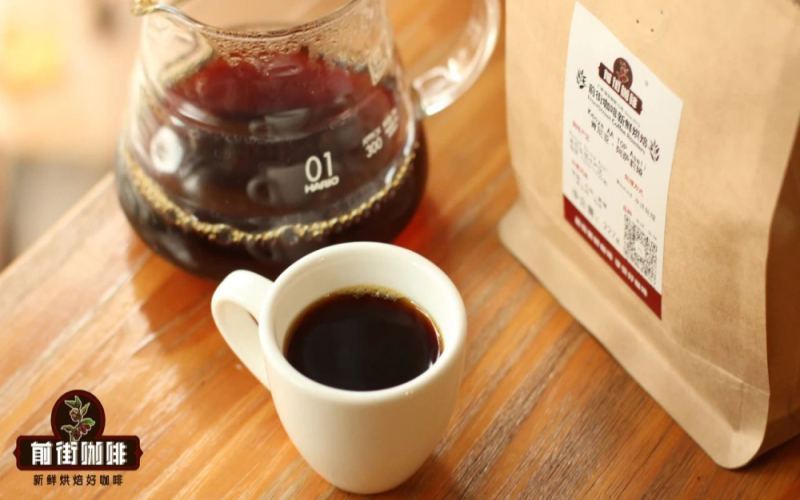
An In-Depth Analysis of Kenyan AA Coffee: Origin Terroir, Grading System, and the Causes of Its Bright Fruit Acidity
On the African continent, beyond Ethiopia, Kenya is equally a presence that cannot be overlooked in the specialty coffee landscape. Anyone who has come into contact with specialty coffee, after experiencing how remarkably vivid coffee acidity can be, will almost always ask the same question: where does the coffee with the most prominent acidity come from? The brewers at Front Street Coffee often point to Kenya in their answer. Kenyan coffee is renowned for its clean and translucent cup, full and rounded body, and highly recognizable fruity acidity, conquering the taste buds of countless coffee lovers. This article will systematically review Kenya's coffee-growing terroir, historical evolution, characteristics of the top ten producing regions, and official grading standards. Using the washed fermentation process as an entry point, it will explain the reasons behind the formation of its signature flavors, and finally include the specific brewing recipe for Front Street Kenya Azalea for reference. [more…]

El Salvador Carmen Estate Natural Bourbon: Flavor Exploration and Tasting Notes under the HiU Program
This article will take you on a deep dive into the HiU Project Natural Bourbon coffee beans from El Salvador's Carmen Estate. From the 2012 WBC competition experience to the unique hops aroma in the green beans, and on to Carmen Estate's volcanic soil and family heritage, the author shares in detail this bean's flavor profile, roasting insights, and origin background. The article also introduces the strict standards of the HiU Project and the cultivation characteristics of Salvadoran coffee. Currently this bean is nearly out of stock, and Front Street Coffee is specially offering a limited-time special price on the last batch, with a purchase limit of two portions per enthusiast, available only while supplies last. [more…]
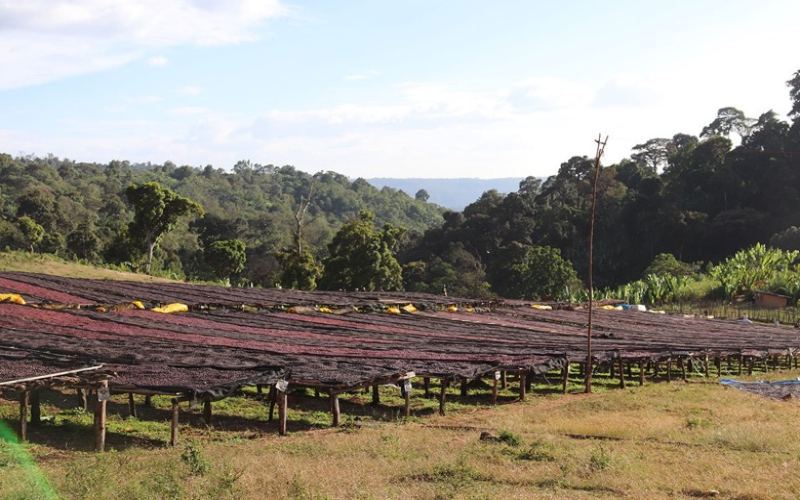
Tracing the Estate Origins of Pour-Over Regions: From Origin Stories to the Provenance of Flavors in the Cup
The pour-over community is placing increasing importance on estates—not to follow a trend, but because beans from different estates within the same region can differ enormously in flavor. An estate is the micro-unit of a region; slicing the region one layer finer makes the origin of flavor clearer. Understanding estate traceability takes pour-over bean selection from "choosing a region" to the next level: "choosing an estate." [more…]
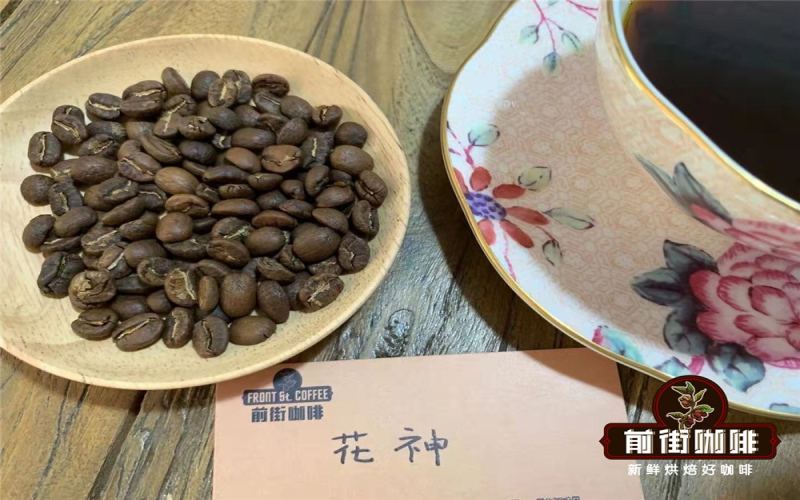
Exploring the Flavors of Guatemala Antigua Coffee: Volcanic Soil, Smoky Character, and Brewing Parameters for Flor del Café
Guatemalan coffee is renowned worldwide for its distinctive volcanic smokiness and rich flavor, and the Antigua region in particular is hailed as a representative of the world's finest coffee. This article traces in depth the historical origins and growing environment of Antigua coffee, analyzes the causes of its tobacco and charcoal-roasted notes, and provides a detailed introduction to the varietal characteristics of La Minita Estate's Floral God coffee, its washed processing method, and Front Street Coffee's roasting and brewing recommendations. From Mayan civilization to modern specialty coffee, from the volcanic heartland to the flavors in your cup, this takes you on a comprehensive journey into the unique charm of this Central American coffee treasure. [more…]
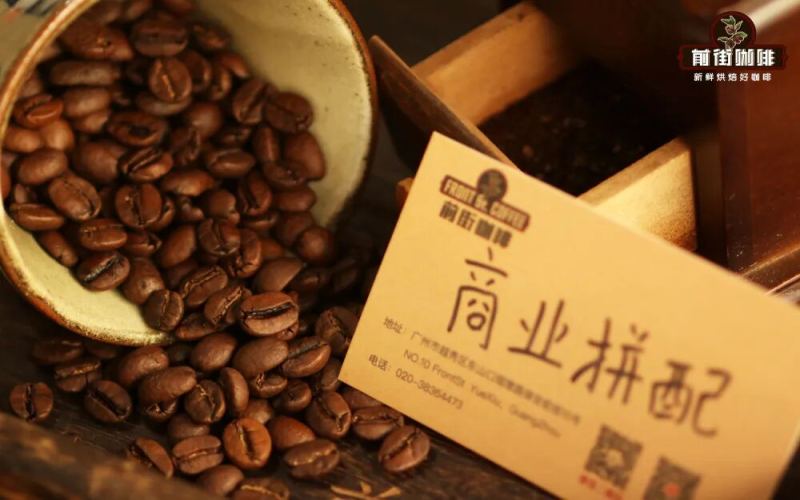
Introduction to Arabica and Robusta Coffee Beans | What are the origins, flavors, and appearance characteristics of Arabica and Robusta coffee beans?
If you know anything about coffee, you're surely aware that coffee beans fall into two main categories: Robusta and Arabica. These are arguably the two most common bean varieties we encounter. But why is Arabica coffee more favored? So today, Front Street Coffee is here to share exactly what's going on between these two. [more…]
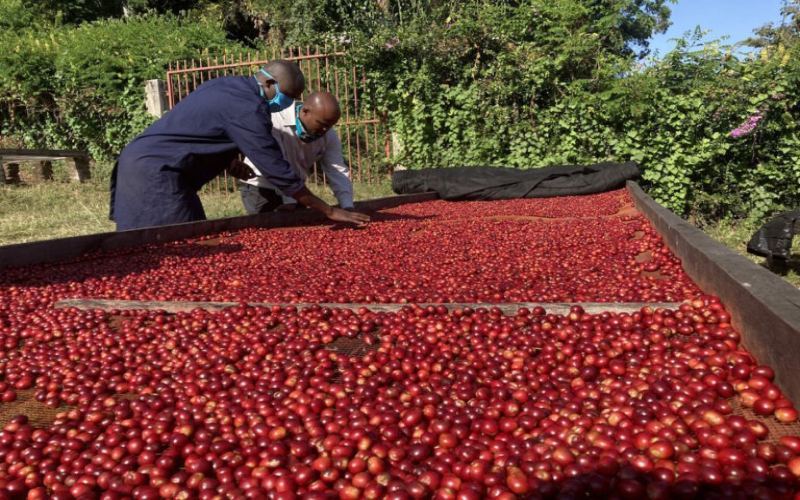
Complete Guide to Kenya PB Round Beans: From SL28 and SL34 Varieties to the K72 Washed Process
Although Kenya is not the birthplace of coffee, its high altitude, large day-night temperature difference, and phosphorus-rich soil give rise to coffee beans with a distinct flavor. This article will guide you through Kenya's coffee-growing geography, the origins of the SL28 and SL34 varieties, the AA and AB grade classifications, and exactly what the unique PB round beans are. At the same time, we will also introduce the Kenya 72-hour washed processing method (K72) recommended by Front Street Coffee, and how to brew a cup of Kenyan coffee with bright acidity and rich layers using the pour-over method. [more…]
A Detailed Guide to the Flavor Characteristics of Colombian Specialty Coffee Bean Regions: From Emerald Coffee to Andean Mountain Mellow Coffee
Colombian coffee is one of the few single-origin coffees sold worldwide under a country's name, and is renowned as the "Emerald Coffee." It is grown in the highlands of the Andes in northwestern South America, where the mild climate and humid air provide an ideal "natural pasture" for Arabica coffee. Colombian coffee is famous for its acidity with a hint of sweetness, mild bitterness, and excellent balance, with a silky, soft mouthfeel, a rich and full-bodied aroma, a bright, high-quality acidity, and sometimes a nutty nuance. The country's coffee-growing regions are divided into more than 200 grades, and harvests occur year-round, making it the world's largest exporter of washed Arabica coffee beans. This article will comprehensively analyze the unique charm of Colombian specialty coffee from the perspectives of its production background, flavor characteristics, geography and climate, cultivation management, and export system. [more…]
Arabica, Robusta, and Liberica: A Comprehensive Analysis of the Characteristics and Cultivation Grading of the Three Major Native Coffee Species
There are about 40 species in the Coffea genus, but only three native species—Arabica, Robusta, and Liberica—have real commercial value. They differ markedly in appearance, flavor, disease resistance, suitable altitude, and cultivation conditions: Arabica is elegant yet delicate, Robusta is hardy and intense, while Liberica is limited to localized trade in West Africa. Starting from botanical characteristics, this article systematically sorts out the origin distribution, climate and soil requirements, the complete cultivation process from sowing to harvesting, and the grading systems that producing countries have formed based on altitude, screen size, and defect bean ratios. Whether you are new to specialty coffee or want to understand the logic of origins more deeply, this foundational knowledge will help you more clearly judge the variety and terroir code behind the flavor in your cup. Front Street Coffee will also combine the key points in this article to recommend directions for your everyday purchases. [more…]
Floral and Fruity Single-Origin Bean Recommendation | For Sidamo Sun-Dried Huakui, is Light Roast or Medium Roast Better? Is Huakui Coffee Bean Better Suited for Pour-Over or Espresso?
With the "rise" of acidic coffee in recent years, I believe everyone has heard of the Flower Queen coffee. Just hearing the name makes it sound extraordinary; its bright citrus and berry notes, along with its juicy, delightful sweet-and-sour taste, leave a lasting impression. This article will introduce you to Flower Queen coffee. Flower Queen rose to fame in 2017, when Ethiopian [more…]
A Complete Guide to Colombian Coffee Regions: From Huila Everyday Beans to Finca El Paraiso Cherry Blossom – Flavors and Pour-Over Tips
Colombia is one of the few single-origin coffee-producing countries that sells worldwide under its national name, and the complex terrain along its Andes Mountains has created a flavor spectrum from north to south, each with its own character. From the perspective of Front Street Coffee's bean selection, this article sorts out the flavor differences among Colombia's three major growing regions—northern, central, and southern—with a focus on the dark chocolate and caramel notes of Huila's everyday drinking beans, and an in-depth analysis of Finca El Paraiso Sakura, a double anaerobic washed bean with its unique spice aroma and strawberry jam finish. At the end, it includes the V60 pour-over parameters and staged pouring steps used by Front Street Coffee baristas, helping enthusiasts reproduce at home this cup of Colombian flavor that combines floral and fruity acidity with a full-bodied mouthfeel. [more…]
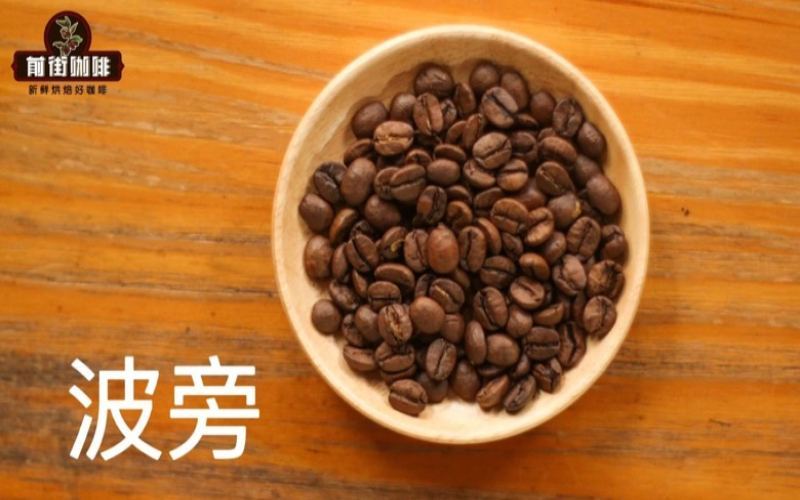
Rwanda Coffee: The Bourbon Sweetness of the Land of a Thousand Hills
On the map of East African coffee, Kenya's bold fruit acidity and Ethiopia's floral aromas have long been famous, while Rwanda, a small landlocked country tucked between the two, is like a quiet overachiever, quietly winning fans with its delicate sweetness and cleanliness. This country, known as the "Land of a Thousand Hills," has planted Bourbon varieties across its rolling mountains. [more…]
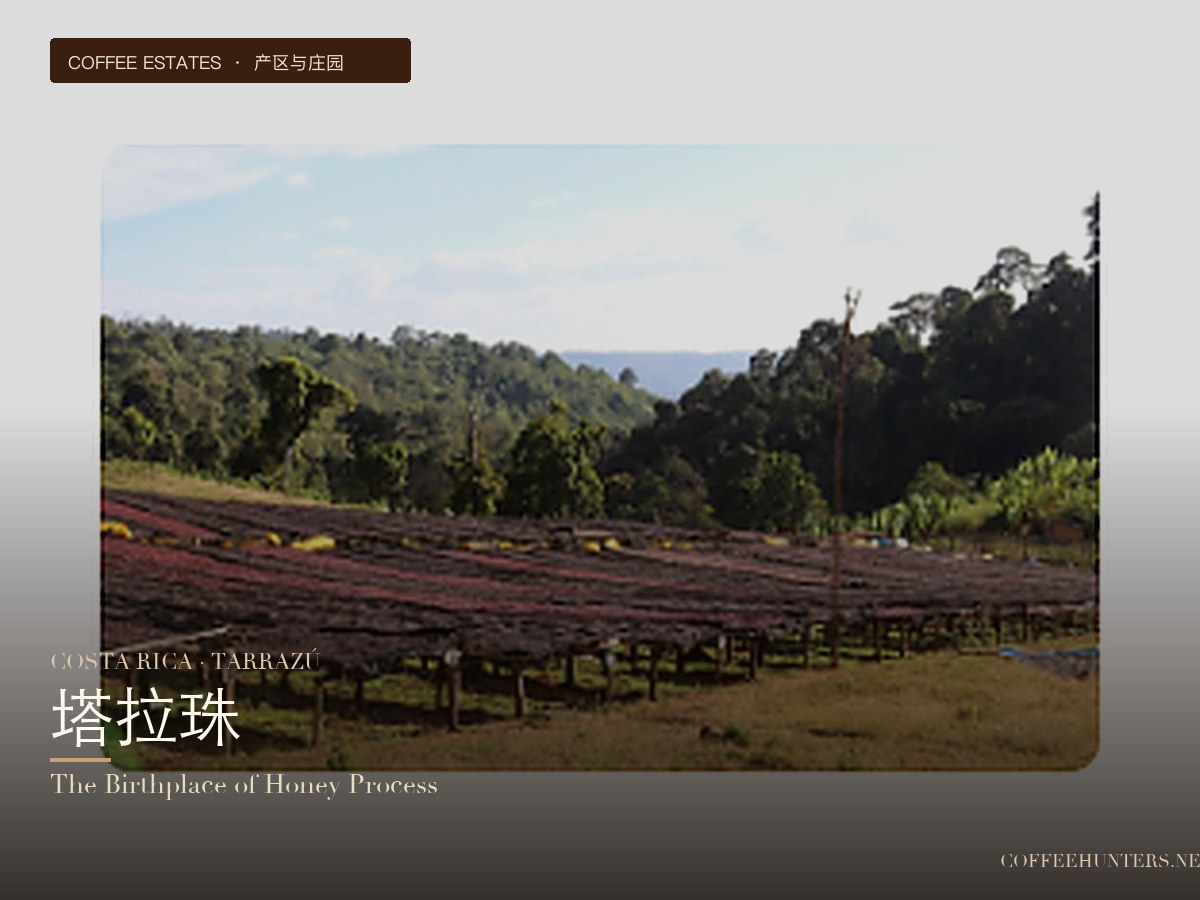
Costa Rica · Tarrazú: The Birthplace of Honey Processing
Tarrazú is Costa Rica's most renowned specialty coffee region and the birthplace of the world's "honey process" method. This article takes you through Tarrazú's geography, the birth of the honey process, and the unique flavors of this region. [more…]
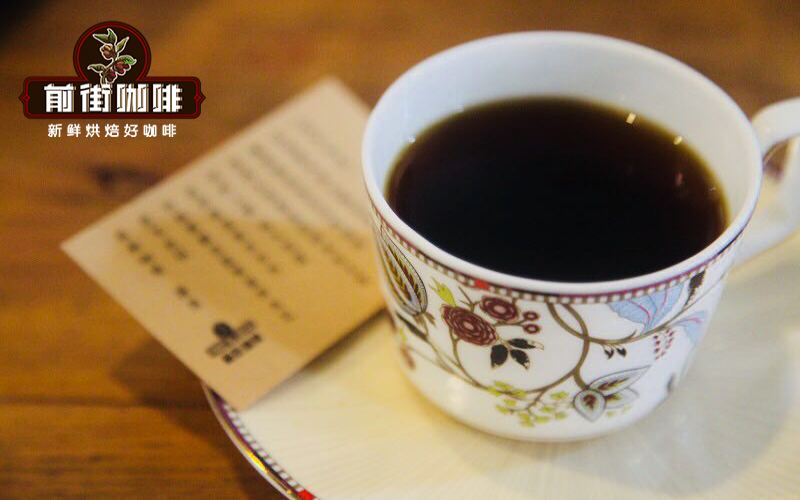
Mandheling Flavor and Taste | What Is the Difference Between Indonesian Sumatra Mandheling Coffee and Colombian Coffee? Who Is PWN Golden Mandheling Suitable For?
Friends who know about Geisha coffee and Blue Mountain coffee will have some understanding of Colombian coffee, so do you know what differences exist between them? If not, today let's join Front Street to distinguish Sumatra Mandheling coffee and Colombian coffee. Whether in flavor or mouthfeel, the two [more…]
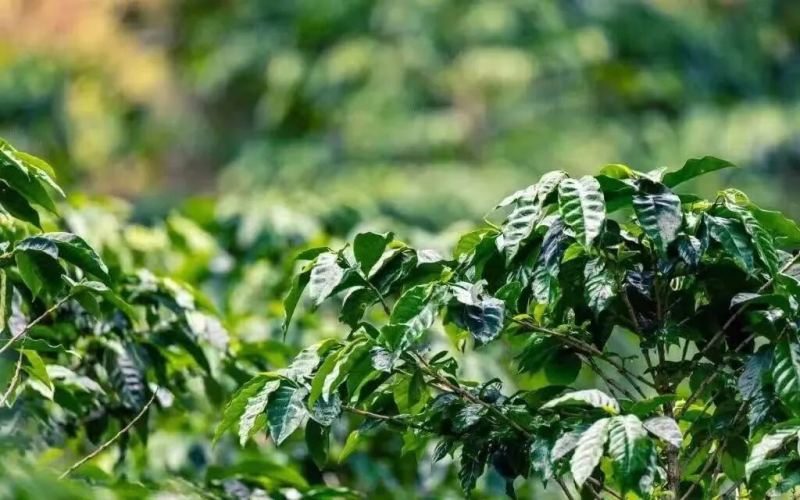
Coffee Varieties | What are the characteristics of Geisha coffee and Blue Mountain coffee? What flavors and mouthfeel do Boquete Geisha and Washed Blue Mountain No. 1 present after brewing?
In the past, when people mentioned the best coffee in the world, the first thing that came to mind was Blue Mountain coffee. Nowadays, when talking about the pinnacle of coffee, one varietal is almost always mentioned—Geisha. So, which is better tasting, Blue Mountain or Geisha? At Front Street Coffee, we believe that tastes differ, and some people prefer the mellow sweetness of Blue Mountain coffee. [more…]
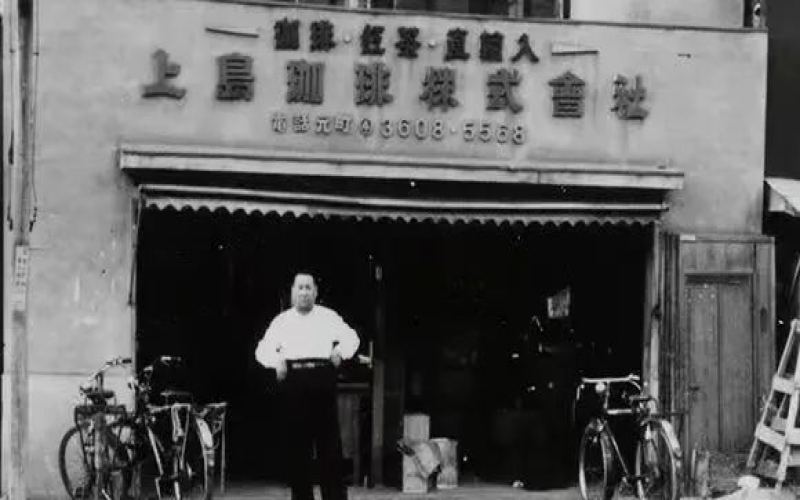
Blue Mountain Coffee Characteristics | Where is Blue Mountain Coffee produced? What does Blue Mountain Coffee taste like? Why are Blue Mountain coffee beans so expensive? How can you tell authentic Blue Mountain?
Because Front Street is one of the few coffee shops that sells Blue Mountain coffee offline, quite a few coffee enthusiasts make a special trip to check it out and taste what was once the "top star" of the coffee world—Blue Mountain coffee. Yes, it's the Blue Mountain name they come for... and then, amusingly, when these enthusiast friends actually taste it, [more…]
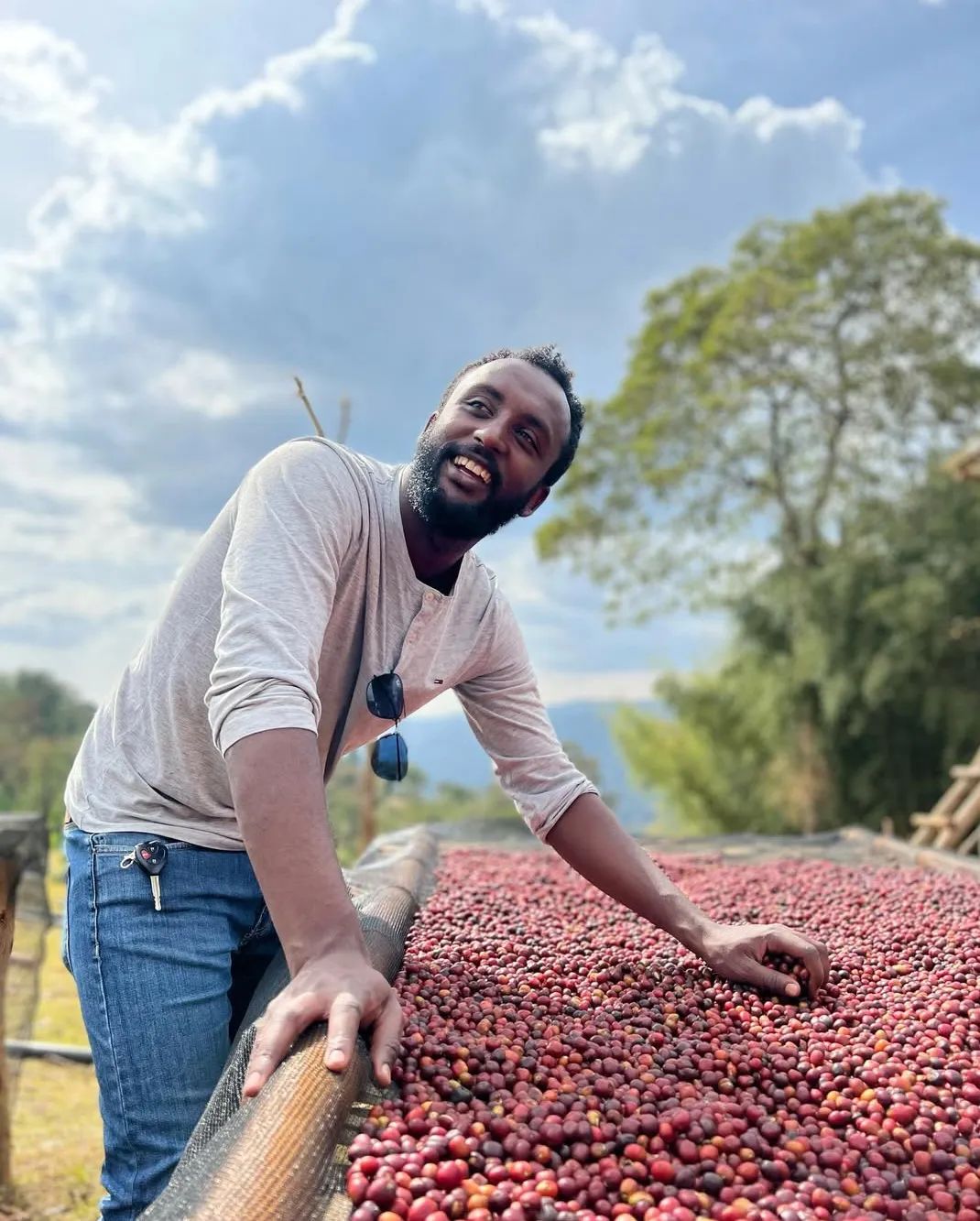
Ethiopian Sidamo Bensa Elto Coffee Beans | An Introduction to Sidamo Elto Coffee Beans and Their Flavor Characteristics
If there are any names that cannot be avoided in the Ethiopian specialty coffee scene in recent years, Front Street Coffee believes that Tamiru of Alo Coffee and Eliyas Dukamo of Elto Coffee must be among them. Whether in international competitions [more…]